Is Your Car's Paint Actually Protected?
By Kimball's Hands On Detailing & Auto Accessories · Auto Protection Guide
What Every Owner Needs to Know
Most car owners assume their paint is protected — but is it really? At Kimball's, protecting a vehicle isn't just about how it looks. It's about preservation, longevity, and respecting the investment you've made. Two of the most effective solutions today are ceramic coating and paint protection film (PPF). They're often mentioned together, but they serve very different purposes. Here's what every owner needs to understand.
What is ceramic coating?
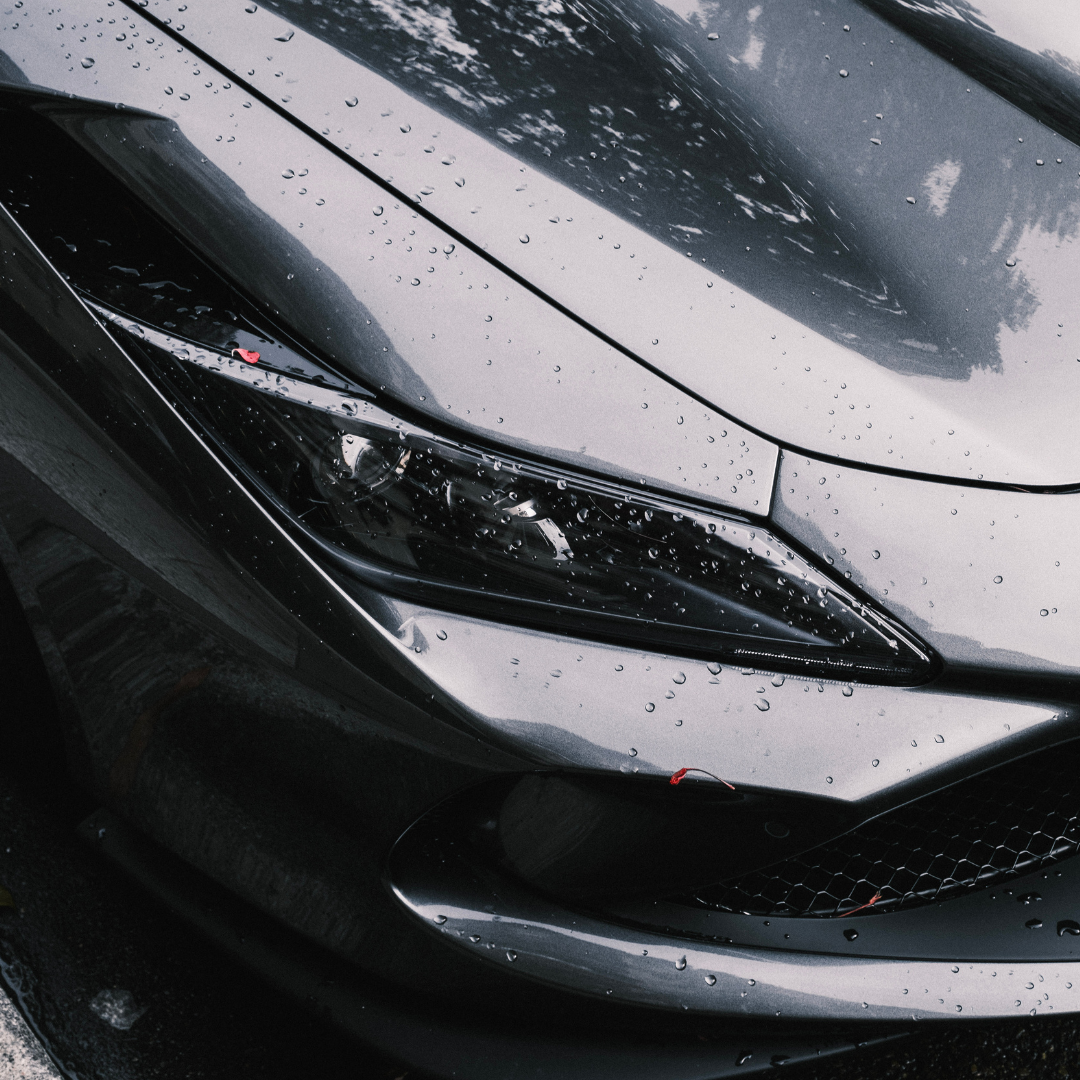
Ceramic coating is a liquid-applied layer that chemically bonds to your vehicle's surface. Once cured, it creates a hardened, glossy shell that enhances depth, clarity, and reflectivity — making your paint look richer and more refined than the day it left the factory.
Beyond the visual upgrade, ceramic coating is highly hydrophobic. Water beads and sheets off effortlessly, carrying dirt and debris with it. Your car stays cleaner longer, washes are faster, and you dramatically reduce the risk of swirl marks during cleaning.
THE LIMITATION TO KNOW: Ceramic coating offers excellent chemical resistance and UV protection, but it does not stop rock chips or physical impact damage. It protects from above — not from force.
What is paint protection film?
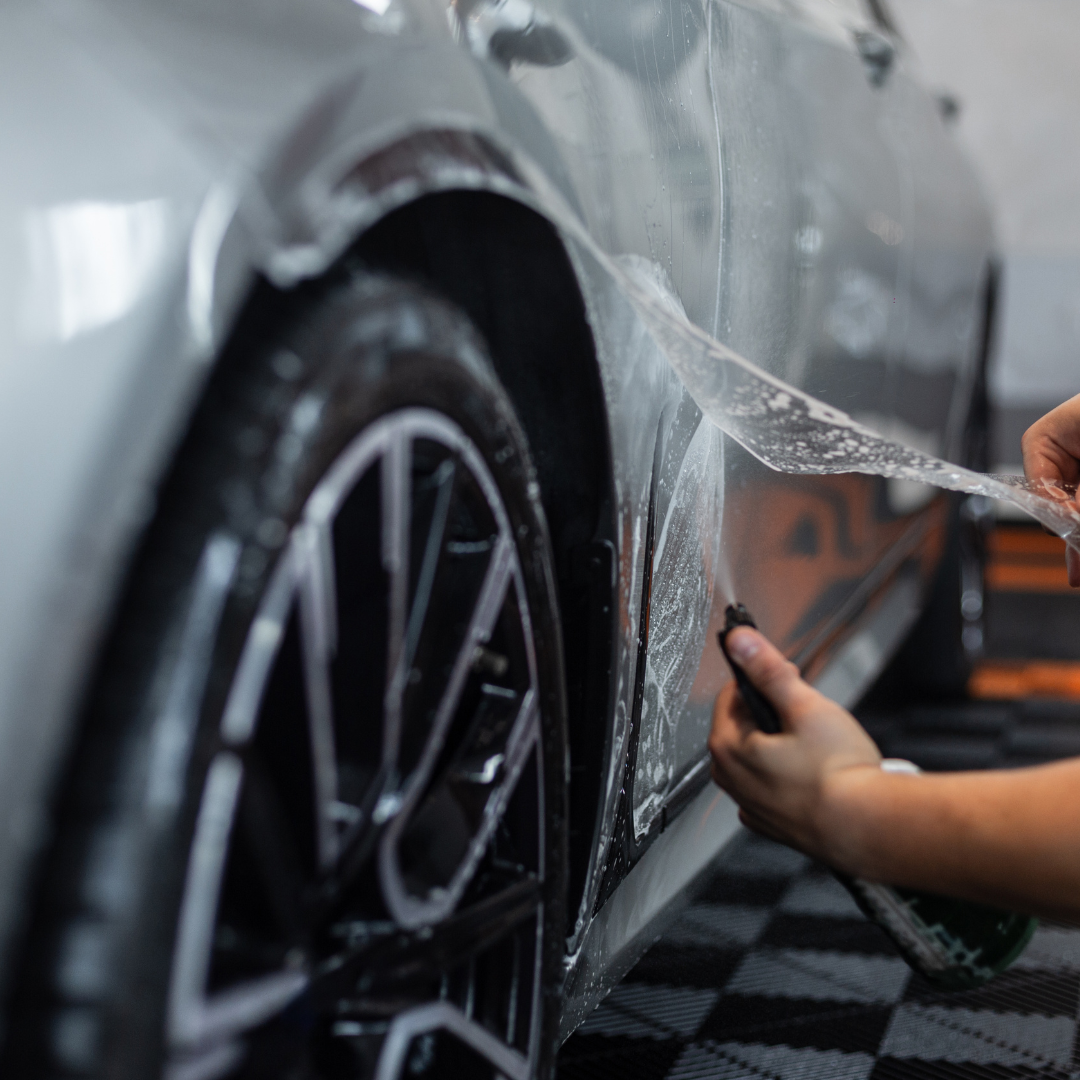
PPF is a clear, durable urethane film that is physically installed over your vehicle's painted surfaces. Think of it as a sacrificial shield — road debris, gravel, and everyday hazards that would chip or scratch your paint are absorbed by the film instead.
Modern PPF also features self-healing properties — light scratches and swirl marks disappear when exposed to heat. For high-impact areas like front bumpers, hoods, fenders, mirrors, and rocker panels, PPF is simply unmatched. It's the closest thing to armor your vehicle can wear while still looking factory-fresh
So — which one do you need?
Ceramic Coating Best for: Gloss & easy maintenance
Ideal if your vehicle is well-maintained and your priority is a stunning, easy-to-clean finish with protection against environmental contaminants.
Deep, high-gloss enhancement
Hydrophobic self-cleaning effect
UV & chemical resistance
Easier, faster washes
Paint Protection Film Best for: Physical impact defense
Essential if you drive on highways, gravel roads, or anywhere road debris is a real concern. PPF is the only true physical barrier for your paint.
Stops rock chips & scratches
Self-healing surface
Protects high-impact zones
Preserves paint for years
The highest level: combining both
Why Combine both?
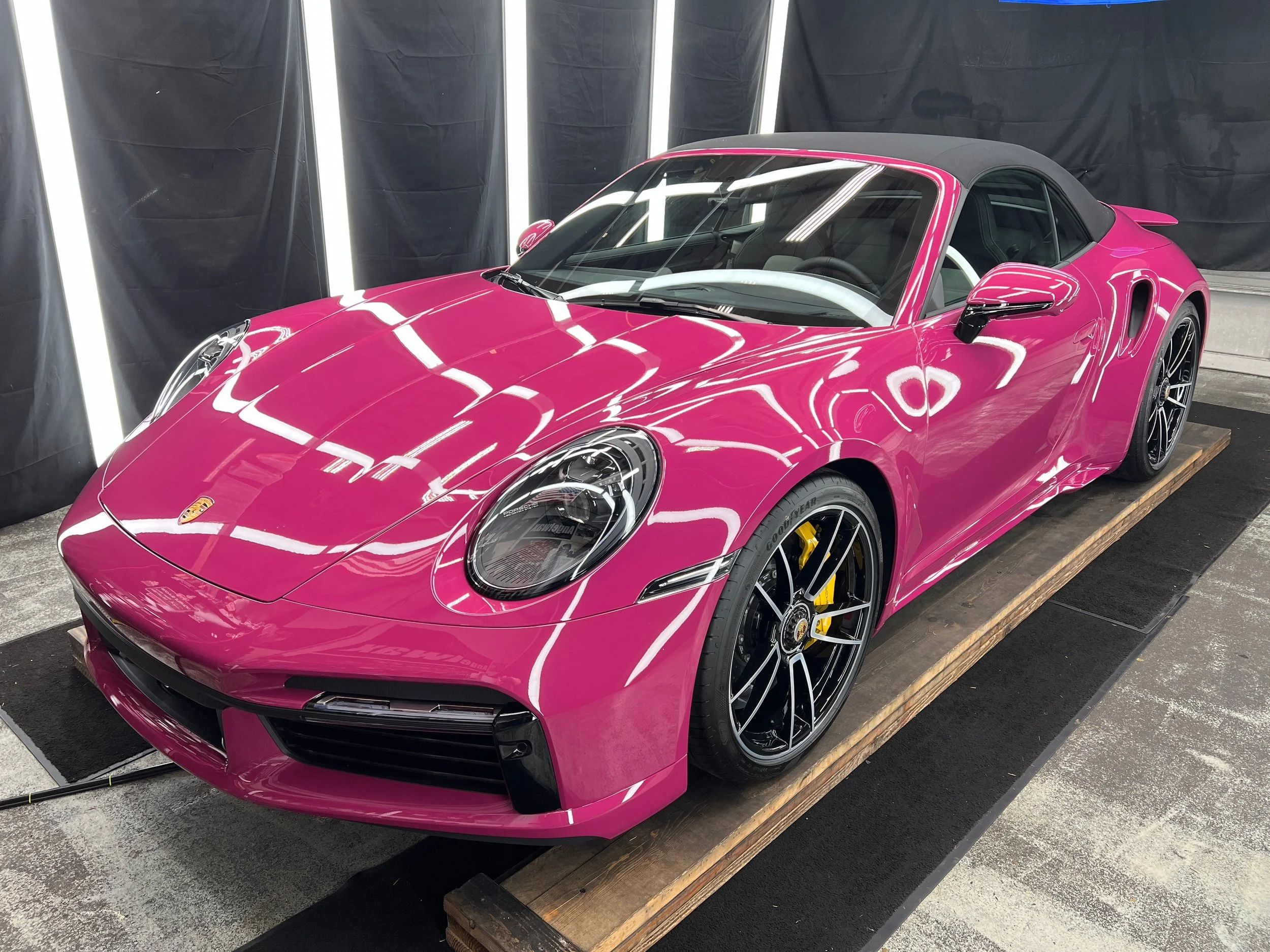
At Kimball's, our most recommended approach is a strategic combination. PPF goes on the most vulnerable areas first — front bumper, hood, fenders, mirrors, and rocker panels — creating a durable physical shield. Then, a professional-grade ceramic coating is applied over both the film and all remaining surfaces.
The result? Total coverage. PPF handles the physical impacts where it matters most. Ceramic delivers the hydrophobic gloss and chemical protection across the entire vehicle. This isn't excess — it's precision protection engineered for how you actually drive.
Every vehicle we work on at Kimball's is evaluated based on how it's driven, where it's stored, and what the owner expects from it. We take the time to educate, guide, and deliver results that reflect the highest standards in the industry.
"If you want the best — come to the best."