
Should You Polish After Claying?
Should You Polish After Claying?
The Truth Most Detailers Ignore.
At Kimball’s Hands On Detailing & Auto Accessories, one of the most common questions we hear is this:
“I just clayed my car. It feels smooth. Do I really need to polish it too?”
The short answer is sometimes.
The longer answer is where most people, and unfortunately many detailers, get it wrong.
This post is not about upsells, fear tactics, or gimmicks. It is about education. Understanding what claying actually does, what it does not do, and when polishing is truly necessary versus when it is optional.
Because smooth paint does not always equal healthy paint.
What Claying Actually Does (And What It Does Not Do)
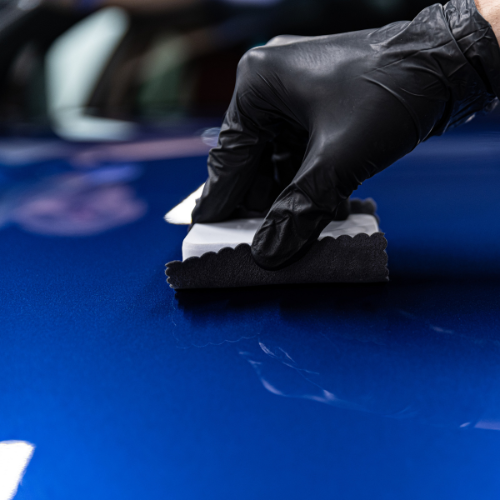
Claying is a decontamination step, not a correction step.
When a vehicle is clayed, bonded surface contaminants that washing alone cannot remove are lifted from the paint.
These commonly include:
Brake dust and iron particles
Industrial fallout and rail dust
Tree sap mist and environmental fallout
Overspray and embedded debriOnce clayed, the paint often feels dramatically smoother. This is where many people assume the job is finished.
Here is the truth: Most detailers do not clearly explain.
Claying does not improve paint clarity.
Claying does not remove defects.
Claying does not fix damage.
It does not remove:
Swirl marks
Water spot etching
Oxidation
Holograms
Wash-induced scratching
Chemical etching
Claying cleans the surface. Polishing corrects the surface.
Those are two very different jobs.
Why Some Paint Looks Worse After Claying
This surprises a lot of people.
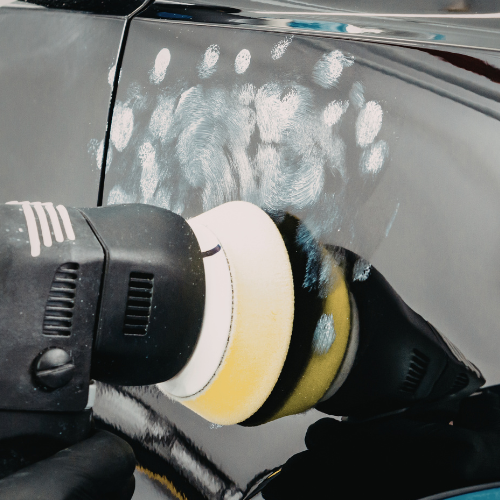
Even when done correctly with proper lubrication, claying can introduce light marring, especially on:
Softer paint systems
Dark colored vehicles
Older or neglected paint
Vehicles clayed with aggressive clay bars
This is not always a mistake. It is physics.
You are physically pulling bonded contamination out of the clear coat. Once those contaminants are removed, underlying defects that were previously hidden become visible.
That hazy or dull look some people notice after claying is not dirt. It is exposed paint damage.
When Polishing After Claying Is the Right Call
At Kimball’s, we recommend the following:
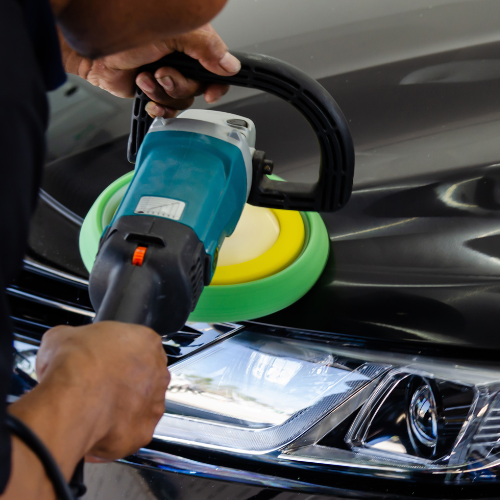
Polishing after claying accomplishes three critical things:
Removes light marring and swirl marks
Restores gloss and optical clarity
Creates a properly refined surface for protection
Even a light one step polish can dramatically improve results without aggressive multi stage correction.
This is not about perfection. It is about doing things correctly.
Polishing after claying when any of the following apply:
Visible swirl marks or light scratches are present
Paint looks dull or hazy after claying
The vehicle has never been professionally corrected
Maximum gloss and clarity are the goal
A long term ceramic coating is being installed
Proper coating bonding and longevity matter
The paint has not been addressed in years

Ceramic Coatings and Why Polishing Matters Even More
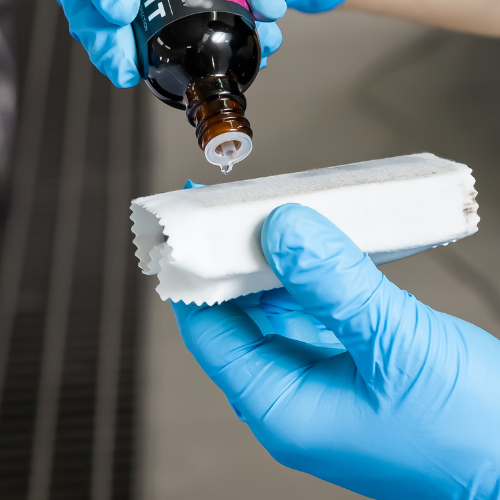
If you are planning to install a true ceramic coating, polishing after claying is no longer optional. It is essential.
Ceramic coatings lock in whatever is beneath them.
Applying a coating over unpolished paint means swirl marks, haze, and marring are sealed in for years.
At Kimball’s, every ceramic coating installation includes proper surface preparation for one simple reason.
A coating does not fix paint. It preserves it.
Skipping polishing before a coating is one of the fastest ways to end up disappointed with the final result.
When You Can Safely Skip Polishing
Polishing is not always required.
In these cases, applying a high quality ceramic spray sealant is perfectly acceptable. You still gain protection, hydrophobic behavior, and easier maintenance.
Not every vehicle needs correction.
Not every client needs perfection.
What matters is making an informed decision, not being sold unnecessary work or skipping steps that truly matter.
You can reasonably skip polishing when:
The paint is already in excellent condition
A clay mitt or synthetic clay was used with proper lubrication
No visible marring or haze is present
Time is limited
A temporary or spray ceramic protection is being applied
The Real Takeaway Most People Miss
Smooth paint does not mean corrected paint.
At Kimball’s Hands On Detailing & Auto Accessories, we believe transparency matters. Our job is to explain the process, show you the condition of your paint, and let the results speak for themselves.
Claying prepares the surface.
Polishing refines the surface.
Protection preserves the surface.
Skipping polishing after claying does not make you wrong.
Skipping education does.